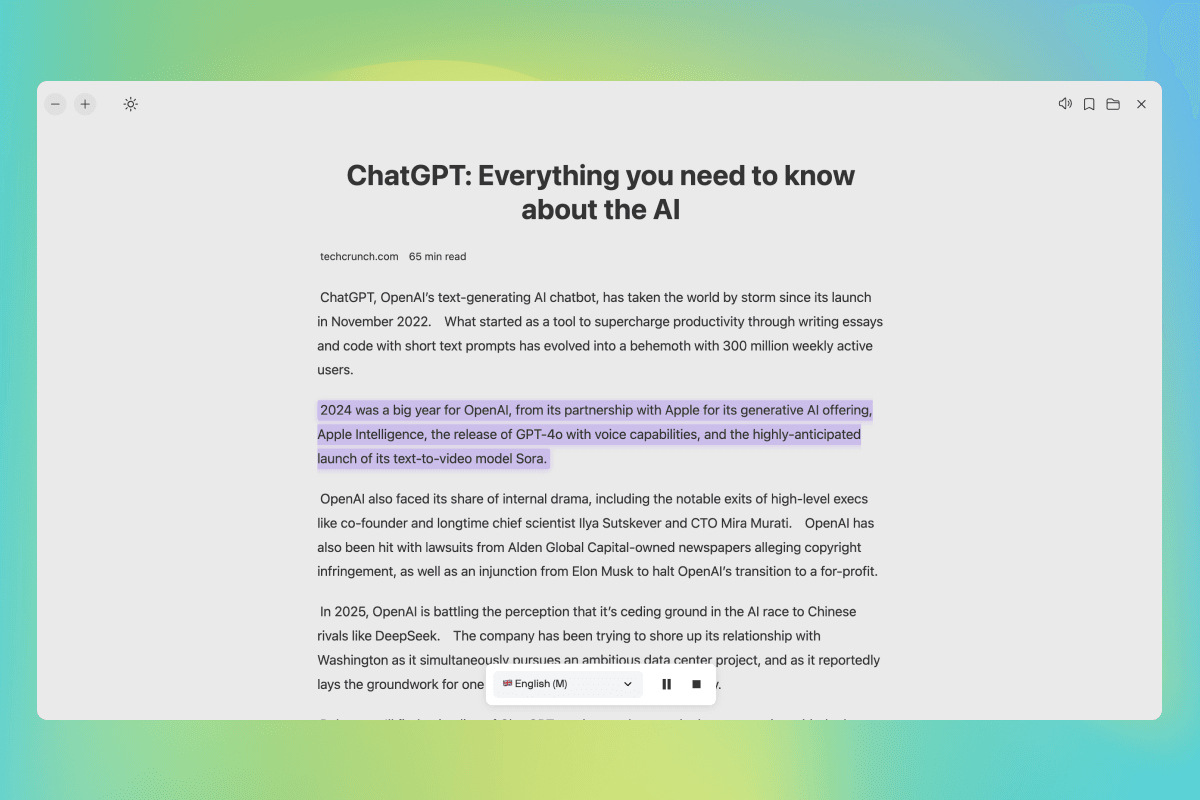
The Academic Paper Struggle is Real
Let's be honest, diving into an academic paper online can feel like wading through digital molasses. You're ready to absorb some groundbreaking research, but your screen is a chaotic landscape of pop-up ads, distracting sidebars, and enough formatting quirks to make your head spin. It's a battle against the internet itself! You start reading, but then a notification pops up, or you get lost in the comments section, and suddenly, an hour has vanished, and you've barely made it past the abstract. Sound familiar? You're not alone.
The problem is, our digital environment is engineered for distraction. Academic papers, on the other hand, demand focused attention. Juggling the two is a recipe for frustration and inefficiency. That's where "Reader View" comes to the rescue, and believe me, it's a game-changer.
Reader View: Your Secret Weapon Against Digital Clutter
Reader View is a built-in feature in most modern web browsers (Chrome, Firefox, Safari, Edge, you name it) designed to strip away all the visual noise from a webpage, leaving you with just the text and essential images. Think of it as a digital detox for your eyes. Suddenly, that cluttered journal website transforms into a clean, readable document. No more flashing banners, no more auto-playing videos, just you and the research.
This isn't just about aesthetics, though. By eliminating distractions, Reader View helps you focus, comprehend, and retain information more effectively. You'll find yourself reading faster, understanding better, and feeling less mentally fatigued. It's like giving your brain a much-needed spa day!
A Step-by-Step Guide to Clean Reading
Using Reader View is surprisingly simple. Here's how to activate it in some popular browsers:
- Chrome: If Reader View is available, you'll see a small icon (usually a page with a paragraph symbol) in the address bar. Click it to activate. If you don't see it, try enabling "Reading mode" in Chrome's flags (chrome://flags/#enable-reader-mode).
- Firefox: Look for the "Enter Reader View" icon in the address bar (it looks like a page). Click it.
- Safari: Click the "Reader View" button in the left side of the address bar.
- Edge: Look for the "Immersive Reader" button in the address bar (it looks like a book). Click it.
Once in Reader View, you can usually customize the text size, font, and background color to your liking. Experiment to find what works best for your eyes. Some browsers also offer options to read the text aloud, which can be helpful for auditory learners or when you want to give your eyes a break.
Tips for an Optimal Reading Experience
Okay, you've got Reader View up and running. Now, let's take it to the next level:
- Eliminate physical distractions: Close unnecessary tabs, put your phone on silent, and find a quiet space where you won't be interrupted.
- Use a note-taking app: As you read, jot down key points, quotes, and your own thoughts in a separate note-taking app (Evernote, Notion, Google Docs, whatever you prefer). This helps you actively engage with the material and retain information.
- Take breaks: Don't try to power through the entire paper in one sitting. Take short breaks every 25-30 minutes to stretch, grab a drink, or just clear your head. The Pomodoro Technique can be really useful here.
- Adjust Reader View settings: Find the perfect font size, font type, and background color that minimizes eye strain and maximizes readability. Experiment to see what works best for you. A dark background with light text can be especially helpful for late-night reading.
Reading academic papers online doesn't have to be a frustrating experience. With Reader View and a few simple strategies, you can create a focused, distraction-free environment that allows you to truly engage with the research and expand your knowledge. Happy reading!