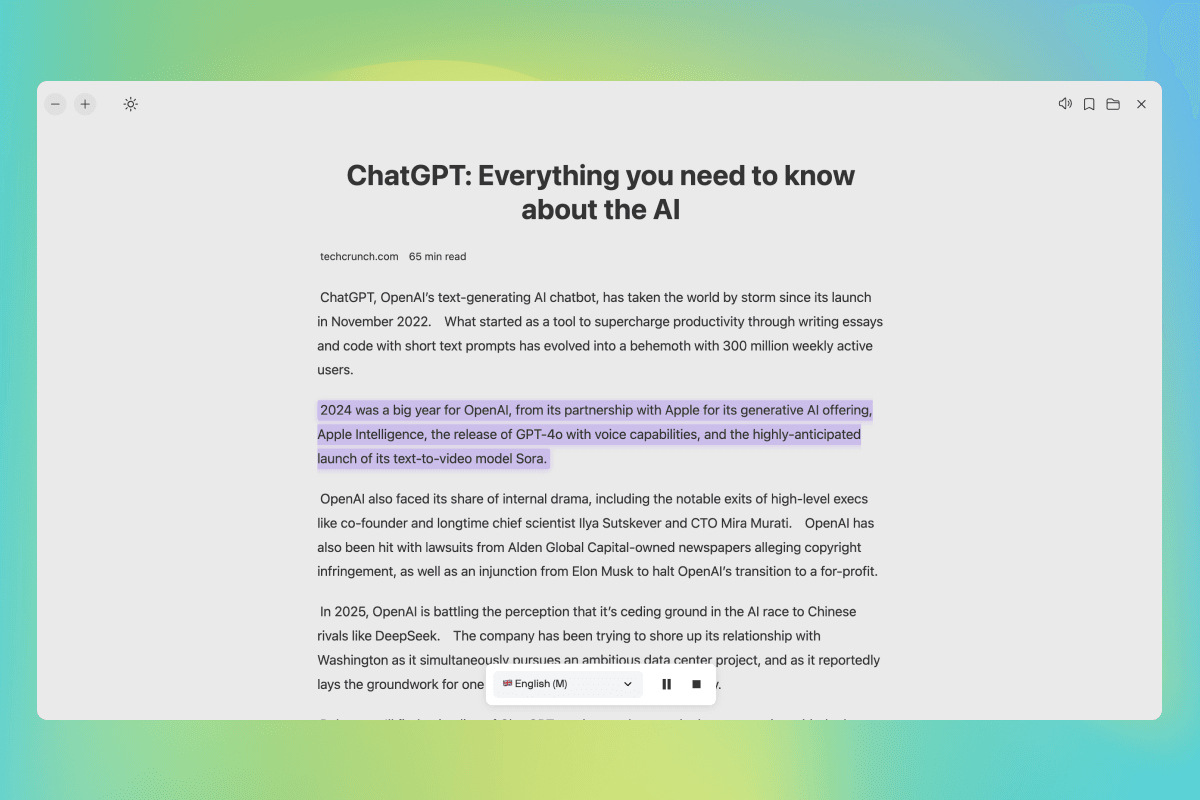
The Struggle is Real: Research Papers & Distractions
Let's be honest, diving into a research paper can feel like entering a digital jungle. You're armed with a burning question, but the internet throws everything at you: flashing ads, social media notifications, and enough clickbait to make your head spin. Sound familiar? You're not alone.
The problem isn't just that these distractions exist; it's that they're designed to grab your attention. Websites are optimized to keep you scrolling, clicking, and ultimately, not focusing on the dense, important information you're trying to absorb. This constant bombardment makes deep reading a real challenge, leading to frustration, wasted time, and a diminished understanding of the material.
Think about it: you find a promising paper, open it in your browser, and BAM! An ad for shoes you don't need, a news headline screaming about the latest celebrity drama, and a notification from your favorite social media platform. It's a recipe for cognitive overload.
Reader View: Your Secret Weapon
Thankfully, there's a simple yet powerful tool that can cut through the noise and help you reclaim your focus: Reader View. Most modern browsers (Chrome, Firefox, Safari, Edge) have a built-in Reader View, sometimes called "Reading Mode," which strips away all the extraneous clutter from a webpage, leaving you with just the text and images of the article or research paper. It's like hitting the "reset" button on a chaotic website.
Reader View essentially transforms the webpage into a clean, distraction-free reading environment. No more ads, sidebars, or flashing banners – just you and the information. This allows you to concentrate on the content, improving comprehension and retention. Trust me; it makes a world of difference. The visual peace allows your brain to actually focus on the information.
Step-by-Step Guide to Clean Reading
Using Reader View is incredibly easy. Here's a quick guide for the most popular browsers:
- Chrome: Look for a small icon resembling a page with text in the address bar (usually to the right). Click it to activate Reader Mode.
- Firefox: The Reader View icon (a book) is also located in the address bar. Click it to enter Reading Mode.
- Safari: Hover over the left side of the address bar. A Reader View icon will appear; click it.
- Edge: The "Immersive Reader" icon, which looks like an open book, is in the address bar.
Once you're in Reader View, you can usually customize the text size, font, and background color to further optimize your reading experience. Experiment with different settings to find what works best for you. For example, some people find that a dark background reduces eye strain, while others prefer a larger font size for easier readability. You can usually also print directly from the reader view for a clean hard copy.
Pro Tips for the Ultimate Reading Experience
Here are a few extra tips to maximize your focus and comprehension when reading research papers online:
- Minimize Distractions: Before you even open the paper, close unnecessary tabs, silence your phone, and let people know you need uninterrupted time. Creating a dedicated workspace is key.
- Active Reading: Don't just passively read the words. Highlight key passages, take notes in a separate document, and ask yourself questions about the material. Engage with the text!
- Take Breaks: Reading dense material can be mentally taxing. Schedule short breaks every 25-30 minutes to stretch, grab a drink, or simply clear your head. The Pomodoro Technique can be very helpful.
- Use a Dedicated Reading App: Consider using a dedicated reading app like Pocket or Instapaper to save articles for later and read them in a distraction-free environment. Many of these apps also offer features like text-to-speech and offline reading.
By combining the power of Reader View with these practical strategies, you can transform your research paper reading experience from a frustrating battle against distractions to a focused and productive learning opportunity. Happy reading!